
Coaching for Toxic Rockstars / Abrasive Leaders

Clients Served
Coaching for Valuable Leaders Who Hurt Morale: Improve Their Behavior and Strengthen Team Performance
Civility Partners provides coaching for abrasive leaders who may be high-performing, operationally skilled, or influential, but whose behavior is damaging trust, morale, retention, and team performance. Our specialized coaching process helps leaders recognize their impact, change harmful behaviors, and build more respectful and productive relationships at work.
Signs an Abrasive Leader Is Impacting Your Workplace
Abrasive leadership often shows up through patterns of fear, avoidance, conflict, and disengagement. Even when a leader delivers results, their behavior can quietly damage trust, performance, and retention.

Meetings feel tense, unproductive, or dominated by one person; it’s “my way or the highway.”

Results are achieved at the expense of morale and trust.

Employees avoid sharing ideas, feedback, or concerns with the leader.

Team members appear anxious, defensive, or disengaged during interactions.

High performers leave or ask to transfer to other teams.

HR receives recurring complaints about communication, tone, or treatment.

Due to fear of reprimand, hiding mistakes and avoiding learning opportunities is the norm.

The leader dismisses feedback or blames others for workplace tension.
When this type of leadership goes unaddressed, organizations often feel stuck between protecting business performance and protecting employees. Civility Partners helps organizations address both by coaching leaders toward behavior change while supporting accountability, trust, and healthier team dynamics.
The Cost of Unchecked Abrasive Leadership
340% more formal complaints
This longitudinal study found that destructive leaders generated 340% more formal complaints, 210% more legal consultations, and 180% more legal settlements than constructive leaders. The average financial impact was 8.7 times the leaders’ annual compensation.
63% report losing work time
According to a survey of 800 workers on the receiving end of incivility, 48% intentionally decreased effort, 38% intentionally decreased work quality, 63% lost work time, and 66% said performance declined.
50% heightened risk of long term sick leave
Unchecked abrasive leadership increases the likelihood of employees taking long term sick leave by 15% when it occurs occasionally, and 50% when the behavior is severe (PubMed).
Abrasive leadership is not a personality issue – it is behavior that the organization has tolerated and rewarded. It can create measurable business risk through turnover, absenteeism, lost productivity, complaints, damaged trust, reputational harm and lawsuits. When employees spend energy managing around one leader’s behavior, the organization loses focus, collaboration, and momentum.
How Toxic Leadership Affects Business Performance
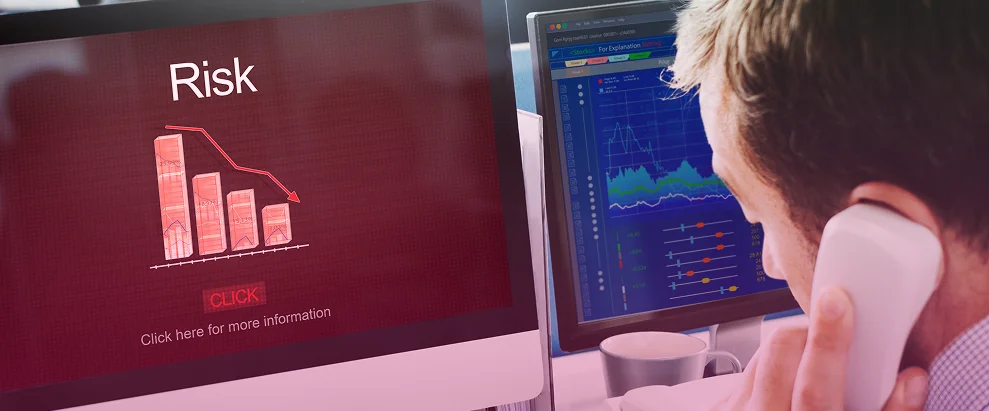
Abrasive leadership can ripple far beyond one team. When employees feel disrespected, dismissed, or unsafe speaking up, collaboration and productivity suffer, decision-making slows, and the organization pays the price through lost talent, lower engagement, and avoidable risk.
Turnover Risk
Employees may leave the team or organization when they feel mistreated, unsupported, or unable to succeed.

Productivity Loss
Fear, conflict, and avoidance reduce focus, creativity, communication, and the quality of team performance. Employers demonstrating a lack of care for how employees are treated get a lack of care for quality and customer service in return.

Manager Strain
HR and senior leaders spend valuable time managing complaints, escalations, and recurring interpersonal issues.

Opportunity Costs
When managers and leaders are spending their time and energy on handling complaints, gossip, reduced performance and turnover, they are not available to spend their time on innovation or achieving organizational goals.

Culture and Reputation Damage
When abrasive behavior is tolerated, employees question leadership credibility, fairness, and organizational values – and they share those feelings online.
Our Approach to Coaching for Abrasive Leaders Works
Our coaching process helps high-impact leaders understand how their behavior is experienced by others, build awareness in relationship-building, practice new behaviors, and stay accountable for measurable change. The process is supportive, direct, and designed to help leaders change and employees feel the positive impacts of that change.

Accountability
The leader’s boss also receives coaching and support to help hold the leader accountable, and the coach facilitates a mid-way check in meeting.

Progress Tracking
Stakeholders are interviewed again for a pulse check in, and that feedback is delivered to the leader for the final stages of coaching. The majority of our clients show marked progress.

Leadership Assessment
With the leader’s permission, Civility Partners interviews up to 15 stakeholders to understand what behavior change is needed, what it looks and feels like for others, and how the leader’s actions are affecting the team.

Behavioral Feedback
Coaching begins by delivering clear, behavior-specific feedback from the interviews to the leader so they understand how their words, actions, and communication style are perceived by others and how it impacts team functioning.

Individual Coaching
The leader receives approximately four months of coaching focused on self-awareness, observation, respectful communication, emotional regulation, and strategies for becoming a leader that can get results through collaboration instead of fear.
Coaching is not a punishment. The goal is to help a valuable leader become more effective by eliminating disruptive behavior and rebuilding trust with the people they lead.
The OIL Model
Our Proven Approach to Abrasive Leadership Coaching
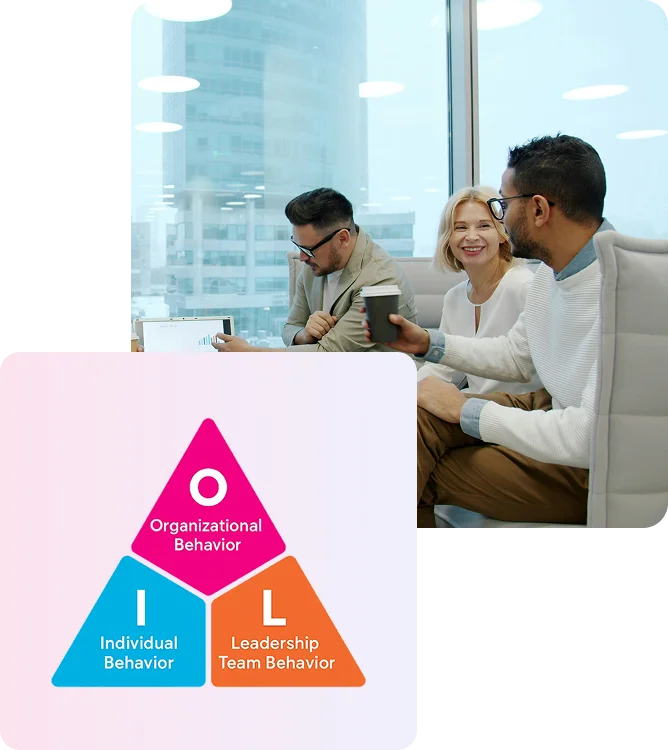
The Civility Partners OIL Model gives your organization a clear, measurable action plan for culture change by examining three areas that drive culture: Organizational, Individual, and Leadership team.
- Organizational Behavior
Culture is shaped by the systems, policies, processes, communication, technology and workplace norms your organization already has in place. Examining these reveals how your structures either support or undermine the culture you want, what to change, and how to change them.
- Individual Behavior
Every employee, manager and leader brings behaviors that either strengthen or strain the workplace. Identifying what needs to stop, start, or shift, upskilling at every level, and holding people accountable with updated systems facilitates a healthier, more productive culture.
- Leadership Team Behavior
Culture change succeeds or stalls based on what leaders do every day. When leadership teams align their expectations, accountability, communication, and decision-making with the culture they want to build, and reinforce it through tools like coaching, training, transparency, and recognition, the business impacts are real.
Real Coaching Success Stories
Civility Partners helps organizations address abrasive leadership with a coaching process that supports behavior change, accountability, and healthier team dynamics.

Building a New Hospital Department While Tearing Down Morale
- Challenge
A palliative care doctor was the brilliant mind between a brand new palliative care department at a hospital. Having fought to push this important change through the board, stakeholders and the community, now she was driving people away.
- Solution
Specialized leadership coaching helped her understand her impact on others and the damage it was causing this initiative she and others cared about so deeply.
- Outcome
Negative feedback dropped from 69% of total comments (251 out 363) to just 7% (7 out of 96) after coaching. Stakeholders and team members reported she’d gone from turning on people and condescending to collaborative and able to control her emotions.

When “Direct” Became Demeaning, Driving Turnover
- Challenge
Everyone knew this leader was definitely the smartest person in the firm building new tech for aerospace. Though his consistent expression of frustration, public shaming and competitiveness was driving massive turnover in new hires.
- Solution
Specialized coaching helped him understand that people wanted to learn from him but were too scared to ask, and his team is more productive if he’s a coach rather than the competence crusader.
- Outcome
Negative feedback dropped from 76% of total comments (206 out of 271) to 18% (23 out of 131) after coaching. Interviewees reported he was calmer, more contemplative, less intense, and a contributor rather than a controller.

“Passionate Leadership” is Expensive
- Challenge
A long-time manager was valued for her organizational knowledge, passion for the work, and ability to handle an ever-growing workload. Though she wasn’t handling it well, as the stress and laser-focus on getting things done was resulting in many complaints to HR.
- Solution
Through coaching, the leader understood that passion was causing fear and her body language bordered workplace violence, and that attacking people for mistakes and quick criticism was creating an even bigger workload.
- Outcome
Negative feedback dropped from 61% of total comments (121 out of 199) to 14% (20 out of 140) after coaching. Interviews revealed the leader had flourished into a personable, relaxed and approachable leader who could be counted on for guidance, and now understood mistakes as teaching moments.
Benefits of Coaching for Toxic Leaders
- Reduced complaints and workplace disruption
- Improved communication, team trust and team meetings
- Increased productivity, learning and loyalty from others
- Stronger accountability for leader behavior
- Better retention of affected employees
- Healthier manager-employee relationships
- Lower risk from unresolved toxic behavior
- Increased self-awareness for the leader and their boss
- Clearer expectations for respectful leadership
Abrasive leader coaching gives organizations a structured way to address harmful behavior while preserving the possibility of change. With the right process, leaders can understand their impact, shift their behavior, and contribute to a healthier, more respectful workplace.
Download the Free Assessment to Evaluate Risk in a High-Performer’s Behavior
Abrasive leaders are often results-getting high performers, which can make it hard for organizations to take direct action. This assessment will help you clarify exactly what the toxic behavior is, and whether its frequency is alarming, costly, and in need of change.
Our Abrasive Leadership Coaching Process
A structured, collaborative process that meets your organization exactly where it is — and takes it somewhere better.
- 1 Listen and Assess
- 2 Identify Root Causes
- 3 Build a Custom Culture Roadmap
- 4 Implement With Our Support
- 5 Measure and Sustain
Listen and Assess
We start by listening — understanding your organization's current culture, challenges, and goals through interviews, surveys, and observation.
Industries We Help

Associations
Improving internal communication, board-staff alignment, departmental silos, and team accountability; supporting leadership transitions, conflict resolution, culture assessments, and staff training for member-driven organizations.

Aviation and Aerospace
Addressing widespread bullying and hazing through training and accountability; building trust across safety-focused, technical, operational, and leadership teams; addressing conflict, abrasive leadership, and culture concerns.

Construction
Strengthening trust, psychological safety and communication between field teams, office staff, and leadership; addressing abrasive behavior, accountability gaps, conflict, and culture issues in high-pressure work environments.

Financial Services
Government & Military

Healthcare

Higher Education

Legal Services

Marketing, Media, and Entertainment

Manufacturing

Nonprofits

Professional Services

Public Safety

Service and Hospitality

Technology

Utilities
Culture Change Consulting
Align people, systems, and leadership behaviors with measurable culture and business outcomes.

Workplace Assessment
Uncover culture issues, behavioral patterns, and employee experience gaps through workforce surveys, culture reviews and listening sessions.

Employee Engagement Consulting
Improve morale, communication, manager effectiveness, retention, and employee connection through targeted engagement strategies and action planning.

Coaching for Abrasive Leaders
Help high-performing but disruptive leaders change damaging behaviors, rebuild trust, and reduce team risk.
Toxic Workplace Culture Consulting
Address harmful behaviors, fear, mistrust, or unresolved workplace toxicity with a focused plan to restore respect, accountability, and trust.

Conflict Resolution Consulting
Resolve workplace tension before it affects morale, productivity, communication, and team performance.

Training and Facilitation
Equip employees, managers, and leaders with practical skills for respectful communication, accountability, and behavior change.

About Us
Civility Partners helps organizations reduce the risks of broken workplace cultures by turning them around through research-backed consulting, coaching, training, assessments, and practical implementation support.
- Research-Backed Expertise
Every solution is grounded in the sciences of organizational behavior, communication and leadership and hands-on client experience, not trends or guesswork.
- Customized to Your Organization
Every engagement is tailored to your unique culture, industry, and challenges.
- Measurable, Lasting Change
Clear business impacts and performance indicators are set upfront and progress is tracked so results are visible, real, and sustainable.
Trusted By







Awards
Awards and Recognition

Best Culture Change Consultancy Firm, Acquisition International Magazine

Best Organizational Consulting & Management Firm, Corporate Vision

Best Full-Service HR Consulting Firm, Global 100

Top 100 HR Influencers in Organizational Development, Engagedly
Client Success Stories
Words From Those Who Lived It

~ Research Center
"I was very impressed with Civility Partners' ability and willingness to tailor the materials and use scenarios that sounded like our organization, so it was more impactful—it started with individuals but now we’ve required managers to take it—it felt like “you get us” "
~ Government Administration
"We are all in on Civility Partners… The material allowed our staff to be vulnerable, share what they were experiencing, and get real-world feedback right then and there. It’s been a wonderful experience."
~ Integrated Architecture, Engineering, and Planning Firm
"Civility Partners provided leader-level coaching sessions that were engaging and tailored to our needs. They were knowledgeable, prepared and able to pivot seamlessly in the moment based on the group questions and discussion. After participation in the Evolution Lab, our leaders are more open to and feel better equipped to navigate difficult conversations."
Media Appearances







Frequently Asked Questions
What is coaching for abrasive leaders?
What are the signs a leader or manager needs coaching?
What causes abrasive leadership behaviors?
How long does leadership coaching typically take?
Can abrasive leaders really change?
Is coaching confidential?
Download Toxic Behavior Detox Bundle
Support stronger leadership and improved productivity and organizational health with this bundle of resources. Identify toxic behaviors, understand their real impact, and take confident action—whether the problem is a difficult employee, a toxic rockstar, or leadership at the top.
Latest Blog Articles

Do You Want to Share Your Expertise With Civility Partners’ Audience?
Do you have a perspective, idea, or area of expertise that HR professionals and leaders need to...

AI Could Kill Humans in the Next Decade?? Leaders, Here Are 4 Things You Can Do Now
There are headlines you read, shake your head at, and move on from. Then there are headlines like...

Why Are People So Sensitive? 4 Things Have Changed at Work
“Why is everyone so sensitive these days?” I hear some version of this all the time. Employees are...