
Toxic Workplace Consulting

Clients Served
Toxic Workplace Consulting to Address Culture & Behavior That’s Putting Your Business at Risk
When workplace behavior crosses the line, leaders need more than generic culture advice. Civility Partners helps founders, leadership teams, and HR executives assess toxic workplace dynamics and organizational systems, address harmful behavior, rebuild trust and accountability, and create a healthier environment where employees can do their best work.
Signs Your Organization May Have a Toxic Workplace Culture
Toxic workplace issues often show up as isolated complaints, turnover spikes, leadership conflict, or team dysfunction before they’re recognized as a broader culture problem. Signs of a toxic workplace culture can mean:

Leaders are unsure whether the issue is isolated or systemic.

Training on respect and collaboration isn’t working.

Employees hesitate to speak up, share feedback, or challenge unhealthy behavior

High performers are leaving because they don’t feel supported.

Managers excuse harmful behavior as “directness” or “high standards.”

HR is receiving repeated complaints about the same leaders.

Teams are disengaged, defensive, anxious, or avoiding collaboration.

Conflict is escalating instead of being resolved constructively.
A toxic workplace culture isn’t always obvious. It may look like isolated instances of burnout, absenteeism, gossip, fear, turnover, low accountability, or a “brilliant jerk” who continues to get a pass because they deliver results. But the longer it goes unaddressed, the more costly it becomes.
The Real Cost of an Unhealthy Workplace Culture
$2.3 Billion Per Day
U.S. organizations lose about $2.3 billion per day due to reduced productivity and absenteeism connected to workplace incivility according to recent SHRM Civility Index Research.
18% Less Productivity
Employees at the receiving end of toxic behavior intentionally decrease their work effort, according to HBR. And those disengaged employees are 18% less productive than their engaged peers, according to the MIT Sloan Management Review.
$160,000 in Legal Fees
The average cost for employers to defend toxic behavior can range from $75,000 if the case settles to $250,000 if the case goes to trial ($160,000 is the number in the middle). These numbers do not include settlements awarded to the employee.
Toxic behavior creates real business risk. It drains productivity, increases turnover, damages trust in leadership, and makes it harder for employees to do quality work. For HR and executive teams, the challenge isn’t simply stopping bad behavior. It’s understanding why it’s happening and preventing it from spreading
How Destructive Workplace Behaviors Impact Business Performance
Destructive workplace behaviors don’t stay contained. They affect decision-making, employee retention, customer experience, leadership credibility, and organizational performance. When people are operating in fear or frustration, the business pays the price.

Turnover Risk
Employees leave when toxic behavior is ignored, excused, or rewarded, especially when leaders fail to intervene.

Productivity Loss
People spend energy managing fear, conflict, or avoidance instead of focusing on performance, innovation, and collaboration.

Leadership Time + Opportunity Cost
When senior leaders, HR, legal counsel and managers devote time to managing the issues toxic environments create, they are not focused on building the business or reaching organizational goals. Also consider what opportunities are lost when they’re sucked into the time and energy drain of employee complaints.
Reputation Damage
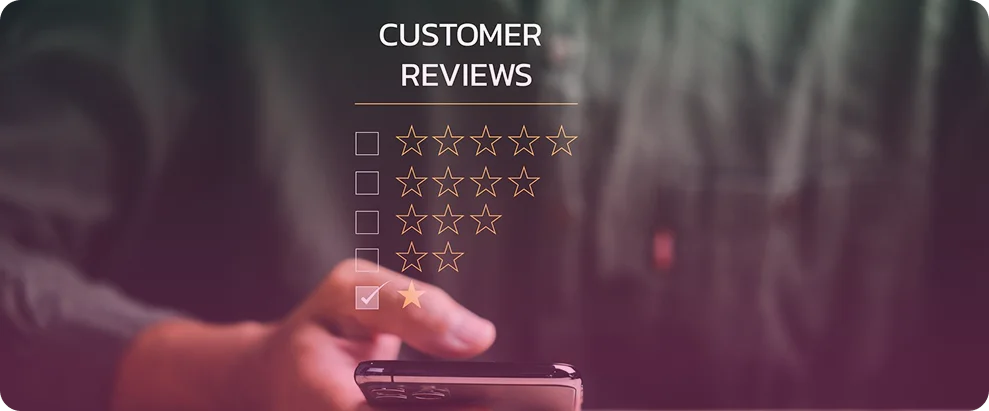
Toxic cultures can affect employer brand, recruiting, referrals, reviews, litigation risk, and customer confidence. Great talent is most certainly researching your reputation before they consider applying.
How Organizations Overcome Workplace Dysfunction
When workplace dysfunction starts affecting trust, performance, or retention, leaders need a clear understanding of what’s happening and a practical path forward.

Systems Repair and Improvement
Sustainable change is built through improving the systems, processes and policies that unintentionally facilitated the workforce’s behavior and company culture

Measurement & Sustainable Change
Progress is measured over time through defined business impacts, improved assessment scores, and anecdotal evidence from your workforce.

Workplace Assessment
A workplace toxicity assessment uncovers patterns, risks, root causes, systems, and employee experience gaps that may be fueling dysfunction.

Leadership Accountability
Leaders gain clarity on the difference between high standards and harmful behavior, along with the tools and accountability needed to repair trust.

Behavior Intervention Strategies
Targeted intervention strategies address toxic behaviors, team conflict, abrasive leadership, and the trust breakdowns affecting workplace health.
The goal is not only to stop the immediate issue, but to restore and sustain trust, accountability, and workplace health.
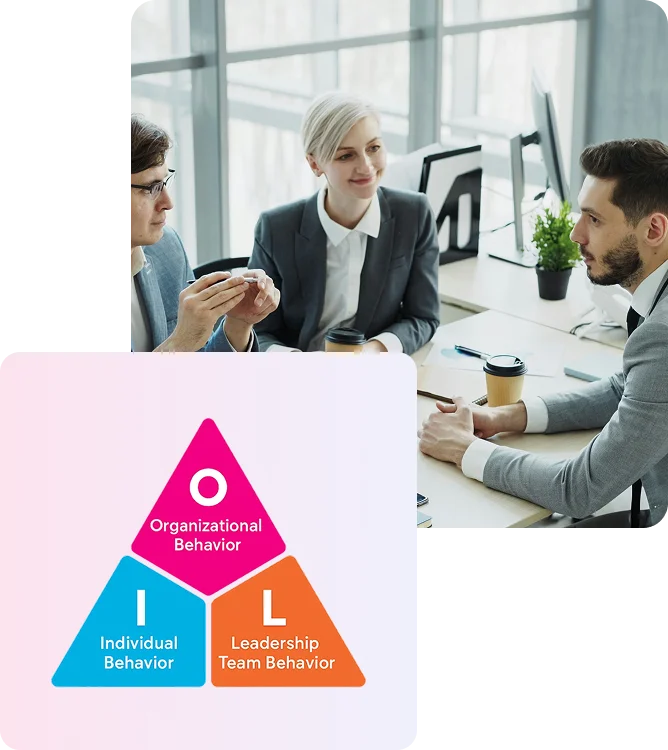
The OIL Model
A Framework for Restoring Workplace Health
The Civility Partners OIL Model gives your organization a clear, measurable action plan for culture change by examining three areas that drive culture: Organizational, Individual, and Leadership team.
- Organizational Behavior
Culture is shaped by the systems, policies, processes, communication, technology and workplace norms your organization already has in place. Examining these reveals how your structures either support or undermine the culture you want, what to change, and how to change them.
- Individual Behavior
Every employee, manager and leader brings behaviors that either strengthen or strain the workplace. Identifying what needs to stop, start, or shift, upskilling at every level, and holding people accountable with updated systems facilitates a healthier, more productive culture.
- Leadership Team Behavior
Culture change succeeds or stalls based on what leaders do every day. When leadership teams align their expectations, accountability, communication, and decision-making with the culture they want to build, and reinforce it through tools like coaching, training, transparency, and recognition, the business impacts are real.
Real Toxic Workplace Consulting Success Stories
Organizations often seek support when something has already happened: complaints, turnover, fear, leadership conflict, or team dysfunction. The right plan helps leaders respond, repair, and move forward.

When a Top Performer Became the Problem
- Challenge
A leader who brought in more revenue than any other across the organization created widespread fear due to his focus on perfection.
- Solution
Interviews with 15 colleagues were conducted, the feedback was shared with the leader, coaching commenced, and behavior drastically improved.
- Outcome
Negative feedback dropped from 69% of total comments (265 out of 382) to just 16% (30 out of 188) after coaching. Interviews indicated the leader was more approachable, now mentoring instead of shaming, and communicated with empathy.

Recovering From A Strike
- Challenge
Post-strike a team felt a complicated mix of emotions. Leadership was angry and burned out, middle managers felt distrustful of staff due to their behavior on the picket line, and employees were ready to get back to work.
- Solution
Listening sessions and interviews with the team resulted in leadership coaching, and agreement between union and leadership outlining expectations, operational clarity, and workshops to create shared ownership of culture.
- Outcome
Pre and post-strike survey scores improved an average of 61%. Four areas (communication, passion, growth, belonging) showed over 100% improvement.

Addressing Public Complaints of Bullying, Discrimination and Harassment
- Challenge
Several women made a very public statement that they’d been bullied, discriminated against and harassed, and the organization hadn’t responded to their complaints. One particular department followed suit, pointing out their mistreatment due to their skin color.
- Solution
A survey and interviews revealed hurt and anger in the lack of transparency, unfair treatment of peers, low trust in leadership, and that the female and Black workforce was bullied on a regular basis. An action team was formed to address the issues, training was delivered, and the executive team received ongoing coaching.
- Outcome
After 18 months of partnership, a second survey revealed bullying was reduced from 5 to 1.5 on a 5-pt scale (from daily to rarely), trust in leadership increased from 2.3 to 3, engagement increased from 3 to 4, and job satisfaction increased from 2.5 to 3.8.
Workplace Conflict vs. Workplace Toxicity: What's the Difference?
| Healthy Workplace Conflict | Toxic Workplace Culture |
|---|---|
| Clear disagreement on an issue | Personal attacks against the person |
| Respectful feedback | Unfounded criticism |
| Shared accountability | Fear of consequences |
| Problem solving | Blame and retaliation |
| Innovation and collaboration | Status quo and risk to speaking up |
| Energizing and high stakes | Burnout and anxiety |
| People support each other in success | Dysfunction and survival are the norm |
Healthy conflict helps teams challenge ideas, clarify expectations, and make better decisions. Toxicity is different. It makes people question their worth, instincts, safety, or sanity. A tough boss may push performance, but a toxic boss creates fear.
Our Toxic Workplace Consulting Process
A structured, collaborative process that meets your organization exactly where it is — and takes it somewhere better.
- 1 Listen and Assess
- 2 Identify Root Causes
- 3 Build a Custom Culture Roadmap
- 4 Implement With Our Support
- 5 Measure and Sustain
Listen and Assess
We start by listening — understanding your organization's current culture, challenges, and goals through interviews, surveys, and observation.
Industries We Help

Associations
Improving internal communication, board-staff alignment, departmental silos, and team accountability; supporting leadership transitions, conflict resolution, culture assessments, and staff training for member-driven organizations.

Aviation and Aerospace
Addressing widespread bullying and hazing through training and accountability; building trust across safety-focused, technical, operational, and leadership teams; addressing conflict, abrasive leadership, and culture concerns.

Construction
Strengthening trust, psychological safety and communication between field teams, office staff, and leadership; addressing abrasive behavior, accountability gaps, conflict, and culture issues in high-pressure work environments.

Financial Services
Government & Military

Healthcare

Higher Education

Legal Services

Marketing, Media, and Entertainment
Manufacturing

Nonprofits

Professional Services
Public Safety

Service and Hospitality

Technology

Utilities
Culture Change Consulting
Align people, systems, and leadership behaviors with measurable culture and business outcomes.

Workplace Assessment
Uncover culture issues, behavioral patterns, and employee experience gaps through workforce surveys, culture reviews and listening sessions.

Employee Engagement Consulting
Improve morale, communication, manager effectiveness, retention, and productivity through targeted engagement strategies and action.

Coaching for Abrasive Leaders
Help high-performing but disruptive leaders change damaging behaviors, rebuild trust, and reduce team risk.

Toxic Workplace Culture Consulting
Address harmful behaviors, fear, mistrust, or unresolved workplace toxicity with a focused plan to restore respect, accountability, and trust.

Conflict Resolution Consulting
Resolve workplace tension before it affects morale, productivity, communication, and team performance.

Training and Facilitation
Equip employees, managers, and leaders with practical skills for respectful communication, accountability, behavior change, and proactive culture building activities


About Us
Civility Partners helps organizations reduce the risks of broken workplace cultures by turning them around through research-backed consulting, coaching, training, assessments, and practical implementation support.
- Research-Backed Expertise
Every solution is grounded in the sciences of organizational behavior, communication and leadership and hands-on client experience, not trends or guesswork.
- Customized to Your Organization
Every engagement is tailored to your unique culture, industry, and challenges.
- Measurable, Lasting Change
Clear business impacts and performance indicators are set upfront and progress is tracked so results are visible, real, and sustainable.
Trusted By





Awards
Awards and Recognition
Best Culture Change Consultancy Firm, Acquisition International Magazine
Best Organizational Consulting & Management Firm, Corporate Vision

Best Full-Service HR Consulting Firm, Global 100
Top 100 HR Influencers in Organizational Development, Engagedly
Client Success Stories
Words From Those Who Lived It

~ Research Center
"I was very impressed with Civility Partners' ability and willingness to tailor the materials and use scenarios that sounded like our organization, so it was more impactful—it started with individuals but now we’ve required managers to take it—it felt like “you get us” "
~ Government Administration
"We are all in on Civility Partners… The material allowed our staff to be vulnerable, share what they were experiencing, and get real-world feedback right then and there. It’s been a wonderful experience."
~ Research Center
"I was very impressed with Civility Partners' ability and willingness to tailor the materials and use scenarios that sounded like our organization, so it was more impactful—it started with individuals but now we’ve required managers to take it—it felt like “you get us” "
~ Integrated Architecture, Engineering, and Planning Firm
"Civility Partners provided leader-level coaching sessions that were engaging and tailored to our needs. They were knowledgeable, prepared and able to pivot seamlessly in the moment based on the group questions and discussion. After participation in the Evolution Lab, our leaders are more open to and feel better equipped to navigate difficult conversations."
Media Appearances






Frequently Asked Questions
What is toxic workplace consulting?
How can a toxic workplace consulting firm help our organization?
What are the warning signs of an unhealthy workplace culture?
Does workplace conflict always mean a workplace is toxic?
How long does it take to improve a toxic workplace culture?
How do you measure the impact of toxic workplace consulting on the business?
How do you involve employees without compromising confidentiality?
Download Free Workplace Culture Diagnostic Bundle
Toxic behavior can be hard to name, especially when it is disguised as high standards, direct communication, or accountability. Our free Toxic Behavior Detox Bundle gives leaders practical tools to recognize harmful conduct, understand its impact, and start building a healthier, more respectful workplace.
Latest Blog Articles

Pride Month: Performative Vs. Actual Activities
Happy Pride Month! This month, you'll see rainbow logos, employee resource group events, and...

“What to Say May”: Turn Good Intentions into Everyday Courage
May has always been a month of transition. Spring in full bloom, fresh energy, and just enough...

Unpopular Opinion: “Open Door Policies” are Just for Show
Most employees don’t feel safe speaking up at work. In fact, research consistently shows that a...