
Workplace Culture Assessment

Clients Served
Workplace Culture Assessments That Expose Hidden Risks and Unlock Better Performance
A workplace culture assessment is more than an employee survey. It takes a deeper look at what employees are experiencing, how culture is influencing performance, and where meaningful change is needed. By examining communication, engagement, trust, collaboration, job satisfaction, inclusion, and psychological safety, organizations gain clearer insight into what’s working, what’s getting in the way, and how employee feedback can become a practical roadmap for improving workplace health.
What Employee Feedback Can Reveal About Your Workplace
Employee feedback can uncover the patterns, frustrations, and hidden culture issues that may not surface in everyday conversations or leadership meetings.

Workplace conflict is affecting morale, collaboration, or productivity.

Inclusion, belonging, or psychological safety may need greater attention.

Inefficient processes slow down production, addressing client needs and earning revenue.

Time is wasted on managing complaints, addressing unresolved conflict, or trying to figure something out due to lack of training resources.

Employees feel disconnected from leadership, priorities, or workplace values.

Communication gaps are creating confusion, frustration, or duplicated work.

Trust is breaking down between teams, departments, or leaders.
A workplace culture assessment helps organizations move beyond assumptions. Instead of relying on isolated complaints, anecdotal feedback, or annual engagement scores alone, leaders gain a clearer picture of what employees need, what is getting in the way, and which actions will create the greatest impact.
What Culture Problems Are Really Costing Your Organization
Lost customers
25% of employees subjected to incivility take their frustrations out on customers, creating a $14,000 annual cost (HBR).
Lost productivity
Three-quarters of the most disengaged employees are looking for a job; this loss of productivity costs companies up to 18% of the employee’s salary each year (MIT Sloan).
Workers’ compensation claims
Around 40% of workers’ compensation claims are directly related to stress. This figure highlights the significant impact of stress on employees’ well-being and productivity (American Institute of Stress).
Culture problems are not HR issues. They affect retention, productivity, innovation, customer experience, leadership credibility, and reputation. When employees are distracted by conflict, mistrust, or toxic behavior, the business pays for it through lost focus, higher turnover, and lower performance.
Is Your Culture Draining Your Company’s Resources?
A struggling culture quietly consumes time, energy, and revenue. Leaders spend more time managing complaints, employees lose focus, and teams operate with less trust, clarity, and accountability.

Employee Retention
Employees are more likely to leave when concerns go unheard, unresolved, or dismissed by leadership.
Free Culture Tool

Leadership Trust
Trust declines when employees do not see meaningful action after raising concerns or sharing feedback.

Team Collaboration
Communication gaps, silos, and unresolved conflict make it harder for teams to work effectively together.
Free Culture Tool

Business Performance
Culture issues can reduce productivity, increase absenteeism, slow execution, and weaken employee commitment.
How We Gather Meaningful Workforce Insights
A workplace culture assessment collects employee feedback, identifies key themes, and translates the findings into practical recommendations leaders can act on.

Action Planning & Recommendations
Assessment findings are translated into practical priorities, recommended next steps, and measurable culture improvement opportunities.

Roadmap, Advisory and Pulse Survey
After finalizing a culture roadmap, we remain available to offer guidance and coaching while you work towards improvement. A pulse survey after 12-18 months is an important component of tracking success and making adjustments to the plan.

Workplace Culture Survey
A customized survey captures employee perceptions across communication, trust, engagement, collaboration, job satisfaction, inclusion, and psychological safety.

Conversations With Your Workforce
Group listening sessions and interviews capture the narratives and needs of employees, managers and leaders.

Employee Feedback Analysis
Survey responses and notes from conversations are analyzed to identify trends, strengths, concerns, and opportunities for improving the employee experience.

Leadership Insights
Leaders gain a clearer understanding of how culture is experienced across teams, levels, departments, and employee groups.
The result is a clear path from employee feedback to meaningful workplace change
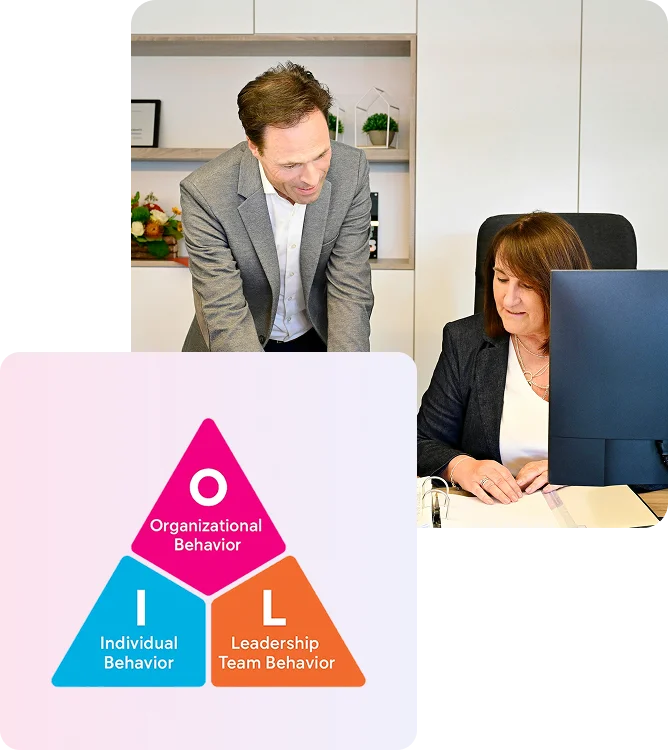
The OIL Model
A Proven Framework for Understanding Organizational Culture
The Civility Partners OIL Model gives your organization a clear, measurable action plan for culture change by examining three areas that drive culture: Organizational, Individual, and Leadership team.
- Organizational Behavior
Culture is shaped by the systems, policies, processes, communication, technology and workplace norms your organization already has in place. Examining these reveals how your structures either support or undermine the culture you want, what to change, and how to change them.
- Individual Behavior
Every employee, manager and leader brings behaviors that either strengthen or strain the workplace. Identifying what needs to stop, start, or shift, upskilling at every level, and holding people accountable with updated systems facilitates a healthier, more productive culture.
- Leadership Team Behavior
Culture change succeeds or stalls based on what leaders do every day. When leadership teams align their expectations, accountability, communication, and decision-making with the culture they want to build, and reinforce it through tools like coaching, training, transparency, and recognition, the business impacts are real.
Real Results From Employee Surveys and Culture Diagnostics
Workplace culture assessments help organizations turn employee feedback into practical priorities, stronger alignment, and measurable change.

Gaining Clarity on the Subtle Signs of a Breaking Culture
- Challenge
A newly hired Executive Director noticed subtle signs of a negative culture – employees avoided him, everyone kept their heads down, and the tension was noticeable.
- Solution
To gain clarity on the tension he could feel but not pinpoint, we conducted a survey that revealed, for example, only 66% of the workforce felt acknowledged for a job well done, 62% hadn’t received feedback about their work, 58% thought the culture was improving, and 62% thought managers were fair.
- Outcome
With clarity on problems, an action plan was implemented. After 18 months of work with us, survey scores showed an average 38% improvement across the entire survey, with a 96% NPS to boot.

Assessing and Improving a Culture of Bullying
- Challenge
Several women made a very public statement that they’d been bullied, discriminated against and harassed, and the organization hadn’t responded to their complaints. One particular department followed suit, pointing out their mistreatment due to their skin color.
- Solution
A survey and interviews revealed hurt and anger in the lack of transparency, unfair treatment of peers, low trust in leadership, and that the female and Black workforce was bullied on a regular basis. An action team was formed to address the issues, training was delivered, and the executive team received ongoing coaching.
- Outcome
After 18 months of partnership, a second survey revealed bullying was reduced from 5 to 1.5 on a 5-pt scale (from daily to rarely), trust in leadership increased from 2.3 to 3, engagement increased from 3 to 4, and job satisfaction increased from 2.5 to 3.8.
Workplace Culture Assessment vs Employee Survey: What's the Difference?
| Workplace Culture Assessment | Employee Survey |
|---|---|
| Identifies culture patterns, root causes of problems, and organizational risk | Collects employee opinions, ratings, and comments about culture |
| Connects feedback to leadership, systems, and expectations | Summarizes how employees responded to survey questions |
| Reveals whether issues are isolated or systemic | Identifies symptoms and reactions |
| Translates findings into practical recommendations, priorities, and next steps | Provides survey results for leaders to review |
| Creates a comprehensive roadmap for improving workplace health | Captures a point-in-time snapshot of employee perceptions |
A survey can show what employees are feeling. A workplace culture assessment goes further by helping leaders understand why those patterns exist and what should happen next. For organizations serious about improving culture, the value comes from analysis, interpretation, and action planning, not data collection alone
Our Culture Change Consulting Process
A structured, collaborative process that meets your organization exactly where it is — and takes it somewhere better.
- 1 Listen and Assess
- 2 Identify Root Causes
- 3 Build a Custom Culture Roadmap
- 4 Implement With Our Support
- 5 Measure and Sustain
Listen and Assess
We start by listening — understanding your organization's current culture, challenges, and goals through interviews, surveys, and observation.
Industries We Help

Associations
Improving internal communication, board-staff alignment, departmental silos, and team accountability; supporting leadership transitions, conflict resolution, culture assessments, and staff training for member-driven organizations.

Aviation and Aerospace
Addressing widespread bullying and hazing through training and accountability; building trust across safety-focused, technical, operational, and leadership teams; addressing conflict, abrasive leadership, and culture concerns.

Construction
Strengthening trust, psychological safety and communication between field teams, office staff, and leadership; addressing abrasive behavior, accountability gaps, conflict, and culture issues in high-pressure work environments.

Financial Services
Government & Military

Healthcare

Higher Education

Legal Services

Marketing, Media, and Entertainment

Manufacturing

Nonprofits

Professional Services
Public Safety

Service and Hospitality

Technology

Utilities
Culture Change Consulting
Align people, systems, and leadership behaviors with measurable culture and business outcomes.

Workplace Assessment
Uncover culture issues, behavioral patterns, and employee experience gaps through workforce surveys, culture reviews and listening sessions.

Employee Engagement Consulting
Improve morale, communication, manager effectiveness, retention, and productivity through targeted engagement strategies and action.

Coaching for Abrasive Leaders
Help high-performing but disruptive leaders change damaging behaviors, rebuild trust, and reduce team risk.

Toxic Workplace Culture Consulting
Address harmful behaviors, fear, mistrust, or unresolved workplace toxicity with a focused plan to restore respect, accountability, and trust.

Conflict Resolution Consulting
Resolve workplace tension before it affects morale, productivity, communication, and team performance.

Training and Facilitation
Equip employees, managers, and leaders with practical skills for respectful communication, accountability, behavior change, and proactive culture building activities


About Us
Civility Partners helps organizations reduce the risks of broken workplace cultures by turning them around through research-backed consulting, coaching, training, assessments, and practical implementation support.
- Research-Backed Expertise
Every solution is grounded in the sciences of organizational behavior, communication and leadership and hands-on client experience, not trends or guesswork.
- Customized to Your Organization
Every engagement is tailored to your unique culture, industry, and challenges.
- Measurable, Lasting Change
Clear business impacts and performance indicators are set upfront and progress is tracked so results are visible, real, and sustainable.
Trusted By







Awards
Awards and Recognition
Best Culture Change Consultancy Firm, Acquisition International Magazine
Best Organizational Consulting & Management Firm, Corporate Vision

Best Full-Service HR Consulting Firm, Global 100
Top 100 HR Influencers in Organizational Development, Engagedly
Client Success Stories
Words From Those Who Lived It

~ Research Center
"I was very impressed with Civility Partners' ability and willingness to tailor the materials and use scenarios that sounded like our organization, so it was more impactful—it started with individuals but now we’ve required managers to take it—it felt like “you get us” "
~ Government Administration
"We are all in on Civility Partners… The material allowed our staff to be vulnerable, share what they were experiencing, and get real-world feedback right then and there. It’s been a wonderful experience."
~ Research Center
"I was very impressed with Civility Partners' ability and willingness to tailor the materials and use scenarios that sounded like our organization, so it was more impactful—it started with individuals but now we’ve required managers to take it—it felt like “you get us” "
~ Integrated Architecture, Engineering, and Planning Firm
"Civility Partners provided leader-level coaching sessions that were engaging and tailored to our needs. They were knowledgeable, prepared and able to pivot seamlessly in the moment based on the group questions and discussion. After participation in the Evolution Lab, our leaders are more open to and feel better equipped to navigate difficult conversations."
Media Appearances







Frequently Asked Questions
What is a workplace culture assessment?
What are the signs a leader or manager needs coaching?
What causes abrasive leadership behaviors?
How long does leadership coaching typically take?
Can abrasive leaders really change?
Is coaching confidential?
Download Free Workplace Culture Diagnostic Bundle
Culture issues are easier to address when leaders know what to look for. The free Workplace Culture Diagnostic Bundle gives organizations tools to start identifying workplace risks, employee concerns, and culture gaps before they become bigger problems. Use it to begin a more informed conversation about workplace health.
Latest Blog Articles

Pride Month: Performative Vs. Actual Activities
Happy Pride Month! This month, you'll see rainbow logos, employee resource group events, and...

“What to Say May”: Turn Good Intentions into Everyday Courage
May has always been a month of transition. Spring in full bloom, fresh energy, and just enough...

Unpopular Opinion: “Open Door Policies” are Just for Show
Most employees don’t feel safe speaking up at work. In fact, research consistently shows that a...